
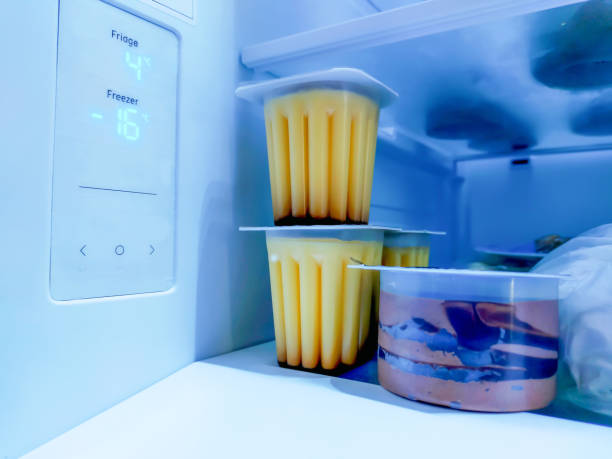

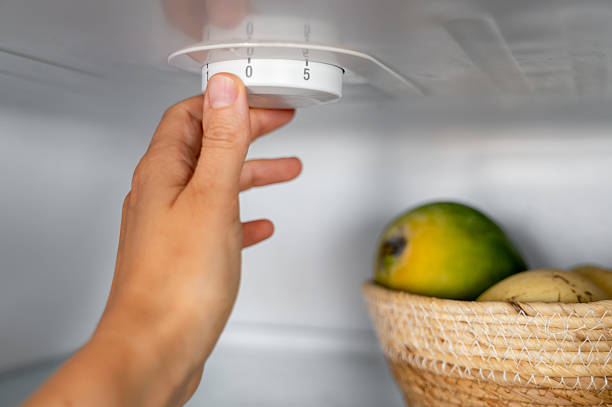
If you’ve ever opened your fridge and seen a small dial with numbers from 1 to 7, you’ve probably wondered what it really does. Most people think this button regulates the temperature directly but that’s not exactly true. Let’s break down how it really works, what it controls, and how you can use it correctly to keep your food fresh and your energy bills low.
The Common Misconception: It’s Not a Temperature Regulator
That small dial or knob you turn inside your refrigerator isn’t technically a “regulator.” It doesn’t set an exact temperature like 5°C or 2°C. Instead, it controls how long the compressor runs, which indirectly determines how cold your fridge gets.
Think of it this way:
- The higher the number on the dial, the longer the compressor runs, and the colder your fridge becomes.
- The lower the number, the less time the compressor runs, and the warmer your fridge stays.
So, if you set your fridge to 7, it won’t magically make it 7 degrees colder. However, it’ll simply work harder and longer to remove heat.
According to the UK’s Food Standards Agency (FSA), the ideal fridge temperature should be 5°C or below to keep food safe from bacterial growth. So, in most households, setting your fridge between 3 and 4 is usually perfect for maintaining that temperature.
The Real Temperature Control Happens Through the Thermostat
The component that actually controls temperature is called the thermostat. It’s the part inside the fridge that senses how warm or cold the air is.
Here’s how it works in plain terms:
- When the fridge warms up above the set point, the thermostat sends a signal to start the compressor.
- The compressor begins circulating refrigerant gas, which absorbs heat from inside the fridge and releases it outside through the back coils.
- Once the inside reaches the desired temperature, the thermostat tells the compressor to stop.
This cycle repeats automatically throughout the day. So, the dial simply changes how sensitive that thermostat is. Turning it to a higher number tells it, “Keep cooling for longer before you stop.” Turning it down says, “Stop sooner, I don’t need it that cold.”
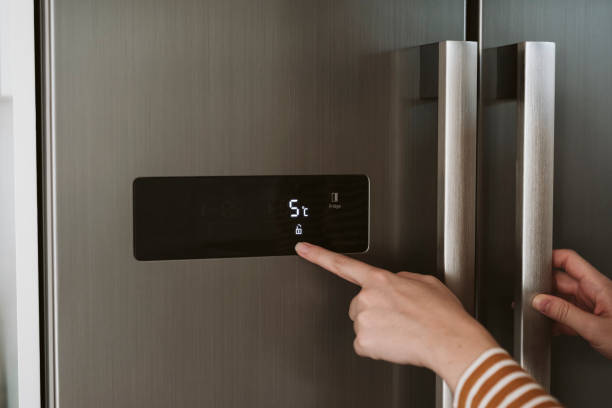
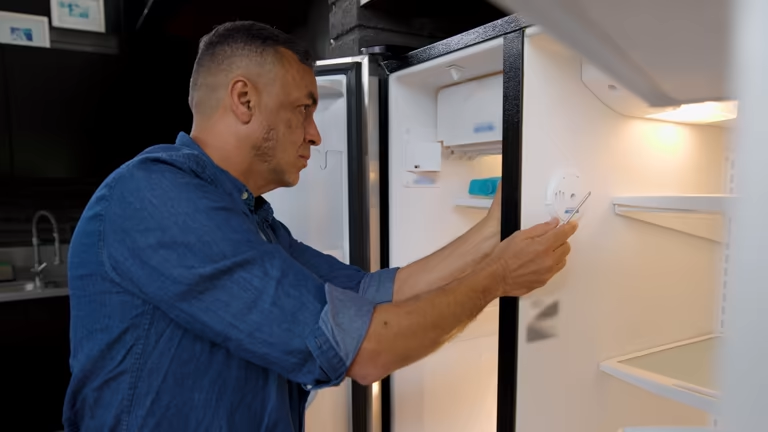
Understanding What Each Number Means
Different refrigerators have slightly different settings, but the idea is the same.
| Dial Setting | Cooling Level | Best For |
|---|---|---|
| 1–2 | Warmest setting | Winter season or when fridge is almost empty |
| 3–4 | Medium setting | Everyday use (ideal range for food storage) |
| 5–7 | Coldest setting | Hot summer days or when fridge is full |
If you store a lot of food, the temperature tends to rise slightly because the cold air doesn’t circulate freely. In that case, increasing your dial a bit higher can help balance the temperature.
However, avoid keeping it on the maximum level for long. It can make some items freeze and force the compressor to work non-stop, leading to higher electricity bills and possible wear over time.
Why Frost Appears and How the Dial Affects It
If you notice frost build up or ice forming in your fridge or freezer, the first suspect is usually the dial setting.
When the cooling cycle runs too often or for too long, moisture inside the fridge freezes around the coils and surfaces. That’s why frost forms even in “frost-free” refrigerators because the thermostat isn’t giving the system enough time to defrost.
Keeping your setting at a moderate level (around 3 or 4) and making sure the door seals properly usually prevents frost issues.
What About the Real “Regulator” in a Fridge?
While the dial isn’t the true regulator, your fridge does have an electrical regulator called a voltage regulator or stabilizer especially common in regions where power fluctuations occur.
Its job is to:
- Protect the compressor and electronics from sudden voltage changes.
- Stabilize power flow so the fridge runs smoothly.
- Prevent short circuits or overheating that could damage components.
In countries like the UK, where power is generally stable, this part is built into the fridge’s main circuit board. But in many tropical regions, external voltage stabilizers are used to prevent compressor failure due to irregular electricity supply.
How to Get the Best Performance from Your Fridge
A few simple habits can make a huge difference in how efficiently your fridge works and how long it lasts.
Keep it two-thirds full:
A partly filled fridge maintains temperature better than an empty one because stored food helps retain the cold.
Don’t overstuff it:
Too much food blocks air circulation and unevenly distributes the cold.
Let hot food cool before placing it inside:
Putting warm food directly inside makes the compressor work harder.
Check the door seal:
Close a paper note in the door. If it slides out easily, your seal might be weak and leaking cold air.
Clean the back coils:
Dust build up at the back of your fridge reduces cooling efficiency. A quick vacuum every few months helps.
When to Adjust the Dial
You don’t need to adjust your fridge dial every day, but certain situations might require a small change:
- Hot weather: Increase the dial (colder setting).
- Cold weather: Lower the dial slightly.
- Fridge too full: Turn it a bit higher.
- Fridge nearly empty: Turn it lower to save power.
Try adjusting one level at a time and wait at least 24 hours before checking the difference. The temperature inside a fridge doesn’t change instantly, it takes time to stabilize.
What to Do If Your Fridge Still Feels Too Warm
If food keeps spoiling faster than it should even after adjusting the dial, here’s what to check before calling a technician:
- Is the fridge overloaded or blocked by items near the vents?
- Is the door closing properly?
- Is it placed too close to the wall or a heat source like an oven?
- Have you cleaned the back coils recently?
- Is the thermostat faulty? (A repair technician can test this.)
Most of the time, poor cooling is caused by overloading, blocked airflow, or a damaged door gasket and not by the dial itself.
Environmental Note: Why Fridge Efficiency Matters
Refrigerators are one of the most energy-consuming appliances at home. According to the UK Energy Saving Trust (2023), fridges and freezers account for roughly 13% of the average household’s electricity bill.
By maintaining your fridge properly and avoiding extreme settings, you can save both energy and money while extending the lifespan of the appliance.
Modern fridges also use eco-friendly refrigerants that have a lower environmental impact, unlike the older CFC-based systems that were phased out decades ago.
Final Thoughts: The Secret Behind the Numbers
So the next time you open your fridge and see that small numbered dial, remember it’s not a magic temperature controller, but it’s still one of the most important parts of your appliance.
That little dial works with your thermostat to keep your food safe, your bills lower, and your fridge running efficiently. Understanding how it works means you can make better decisions, waste less energy, and extend the life of your appliance.
In short, the regulator inside your fridge doesn’t regulate temperature, it helps control it. And the smarter you use it, the colder your savings get.
💡Disclaimer
This article is for informational and educational purposes only. Always consult or refer to your manufacturer’s manual or local government policies and laws for more insights. Credit to gettyimages for the images on this post.