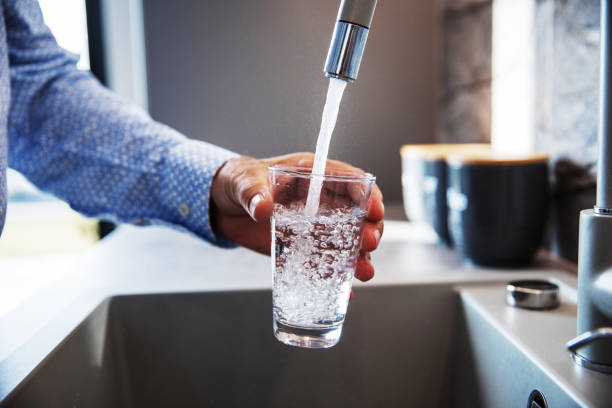

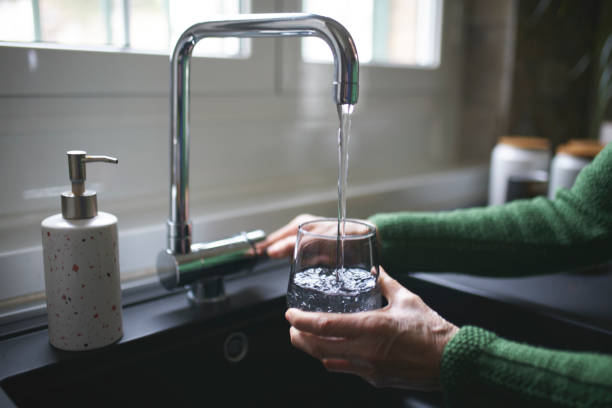
Without a single thought every morning, millions households around the world turn on their taps, yet a few ask: is tap water truly safe for consumption?
Between microplastics, sewage recycling, and rising bottled-water costs, understanding what flows from your tap is vital.
In this post, I’ll be explaining how UK tap water is treated, what research reveals about its safety, and how you can make it even purer at home with affordable filters, distillers, and eco-friendly bottles available on Amazon.
How Tap Water Is Treated in the UK
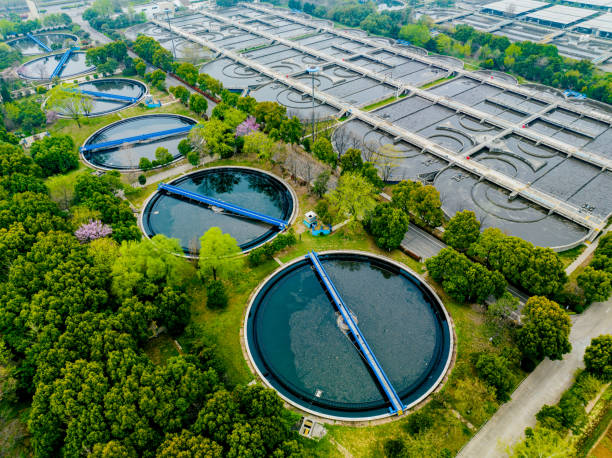
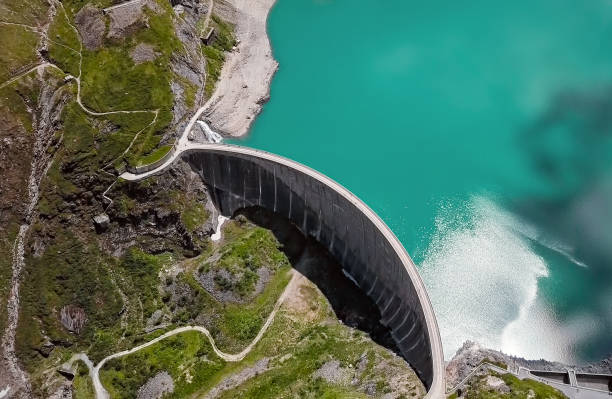
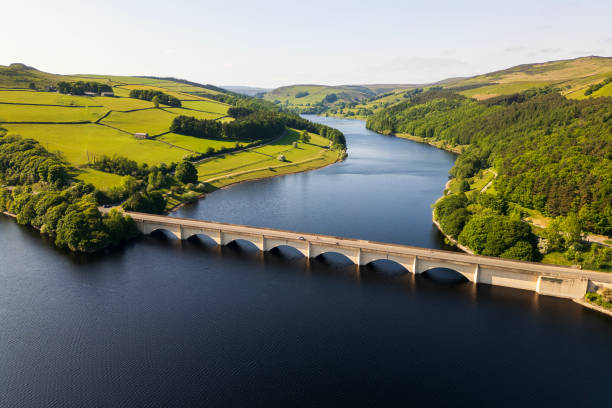
UK water suppliers such as Thames Water, Severn Trent, Yorkshire Water, and Anglian Water follow strict safety regulations set by Ofwat and the Drinking Water Inspectorate (DWI). Most of our tap water comes from rivers, reservoirs, and underground sources. It’s treated through filtration, chlorination, and UV sterilization before entering our pipes.
According to the DWI’s 2023 annual report, over 99.97% of samples met national safety standards. However, part of that supply is recycled water, treated wastewater that has been filtered, disinfected, and safely returned to the environment before reuse.
While the science ensures purity, public concern about “drinking recycled sewage” remains, largely due to misinformation rather than evidence.
What Research Says About Tap Water Safety
Recent investigations by The Guardian (2023) and the University of Manchester show that UK tap water occasionally contains trace microplastics and chemical residues, especially in older urban areas. Though current levels aren’t considered dangerous, scientists warn that long-term exposure could affect hormones and cell health.
Chlorine and fluoride which are used to protect against bacteria and tooth decay are safe in small amounts but can affect flavour and skin sensitivity for some individuals.
How to Keep Your Tap Water Safer for Drinking
Even with the UK’s strong regulations, extra protection at home gives peace of mind. Here’s how you can upgrade your water quality using these recommended products:
- Use a filtration jug – Try the Brita Maxtra+ Water Filter Jug (Amazon UK) to reduce chlorine, metals, and limescale.
- Install a faucet filter – The AquaBliss High Output Universal Tap Filter (Amazon UK) improves taste and clarity.
- Invest in a water distiller – For maximum purity, consider the CO-Z 4L Stainless Steel Water Distiller (Amazon UK) or the Megahome Countertop Distiller (Amazon UK). These remove bacteria, fluoride, and heavy metals, leaving only pure H₂O.
- Flush taps briefly if unused overnight to remove stagnant water.
- Clean your aerators (the small mesh at the end of taps) monthly to avoid microbial buildup.
💡 Affiliate Disclaimer: This article contains affiliate links. If you purchase through these links, Mixed Points may earn a small commission at no extra cost to you. This supports our work in providing educational and honest reviews.
Tap Water vs. Bottled Water
Many people assume bottled water is cleaner, but studies from the World Health Organization (2022) found that bottled water can contain double the level of microplastics found in tap water. It’s also up to 500 times more expensive than tap water.
Environmentally, plastic waste from single-use bottles is devastating. Instead, use reusable bottles like:
These keep your drinks cold for hours and reduce plastic pollution.
Spring Water and Highland Alternatives
For those seeking a natural taste, spring water from the Scottish Highlands (like Highland Spring or Buxton) is naturally filtered through mineral-rich rocks.
It’s pure, balanced, and great for occasional consumption, though it carries a higher environmental footprint due to bottling and transport.
A balanced routine might include filtered tap water for daily use and spring water as a treat or travel option.
Economic and Environmental Perspective
Switching to filtered tap water can save the average UK household £200–£300 a year compared to bottled water.
Using distillers and long-lasting filters not only saves money but also reduces your carbon footprint thus a win for both your wallet and the planet.
Conclusion
So, is tap water safe for consumption in the UK?
Yes, it’s among the safest in the world. But being proactive makes it better. With filters, distillers, and eco bottles, you can enjoy cleaner, fresher water without breaking the bank or harming the planet.
Clean water isn’t just a privilege; it’s a daily choice we can all improve.

💡Disclaimer
This article is for informational and educational purposes only. It does not constitute medical or professional health advice. Always consult your local water provider or conduct a lab test if you suspect contamination. Credit to gettyimages for the images on this post.