
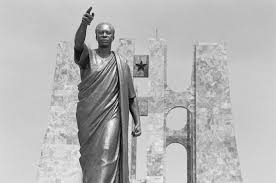

Introduction
Many people today are unaware of how deeply the past shapes our present, particularly when it comes to Africa’s struggles for true independence. While many know Ghana as the first sub-Saharan African country to gain independence in 1957, few realize how this independence was challenged by the subtle forces of neo-colonialism.
At the center of this history is Dr. Kwame Nkrumah, Ghana’s first president. His vision of a united and economically independent Africa was inspiring, but it also threatened global powers benefiting from Africa’s resources. In 1965, Nkrumah published a book, “Neo-Colonialism: The Last Stage of Imperialism,” where he exposed how economic control had replaced direct colonial rule. Little did he know that this book would become a catalyst for his own downfall.
As we dive into the details of Nkrumah’s leadership, the Western response, and the coup that followed, we’ll uncover how these events still resonate today. This isn’t just about the past; it’s about understanding the forces that shape our present and future. By knowing what happened, we can better appreciate the value of self-determination today.
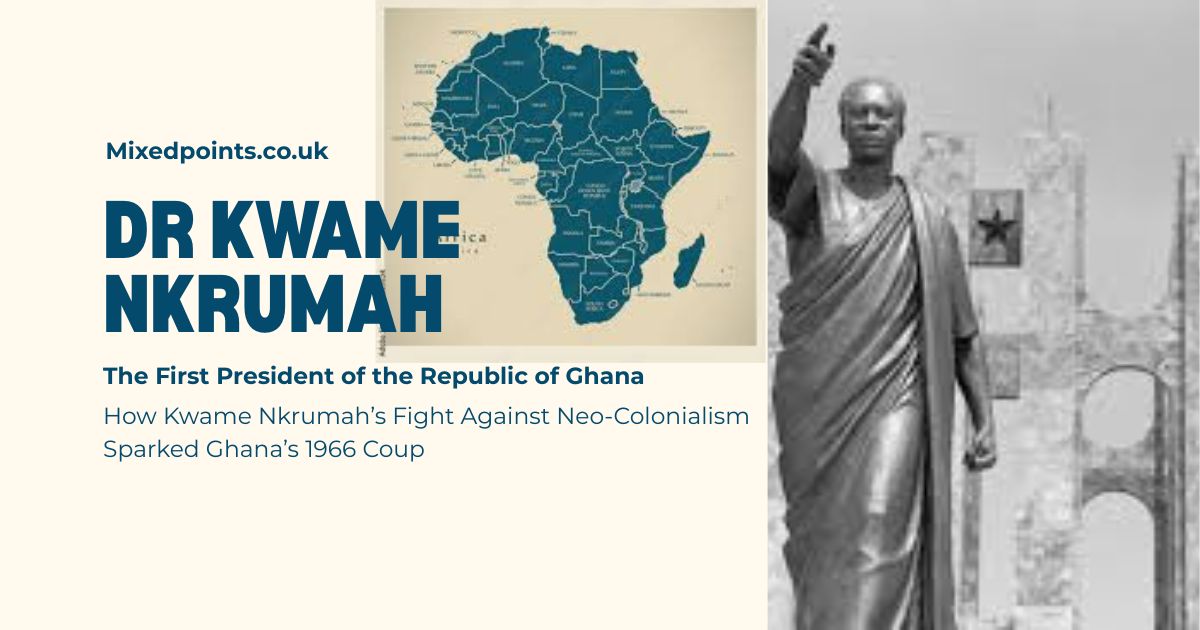
Rise of Nkrumah: Ghana’s first president, Nkrumah, envisioned a united Africa free from subtle Western control.
Kwame Nkrumah’s rise began with his unwavering belief in self-determination. Born in 1909 in the Gold Coast, Nkrumah was educated in both the U.S. and the U.K., where he embraced Pan-African ideals. Returning to the Gold Coast in the late 1940s, he quickly became a leading voice for independence. In 1949, he founded the Convention People’s Party, rallying Ghanaians with the slogan “Self-Government Now.” His leadership of mass protests, such as the Positive Action campaign, led to his imprisonment, but also to widespread popular support. In 1957, the Gold Coast became Ghana, and Nkrumah became the first prime minister of an independent sub-Saharan African nation.
In 1960, Ghana became a republic, and Nkrumah transitioned to president. His vision extended beyond Ghana, he dreamed of a united Africa, economically free from former colonial powers. However, as he pursued ambitious industrial projects and socialist policies, he faced internal dissent and economic challenges. Yet, his rise remains a symbol of bold leadership against all odds. Nkrumah’s ascent was not just political; it was a beacon of hope for millions who believed that Africa could stand on its own.
The Book: In 1965, he published “Neo-Colonialism: The Last Stage of Imperialism,” exposing how foreign powers still dominated African economies
Kwame Nkrumah’s 1965 book, “Neo-Colonialism: The Last Stage of Imperialism,” laid bare how political independence did not guarantee economic freedom. Nkrumah argued that former colonial powers, primarily Western nations, still controlled African economies through multinational corporations and global financial institutions. The book meticulously mapped the network of foreign companies extracting Africa’s wealth, leaving nations politically free but economically dependent. Nkrumah’s bold assertions were that true freedom could only come when African nations controlled their own resources.
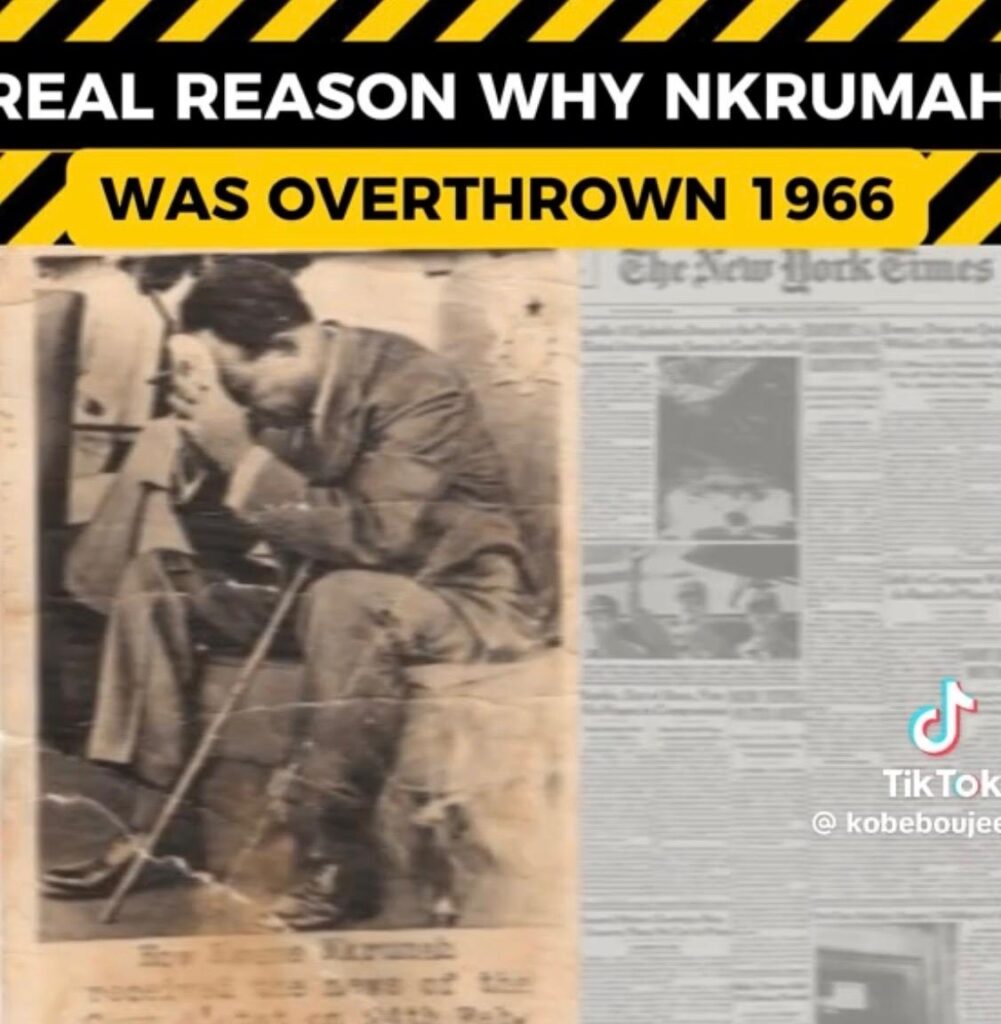
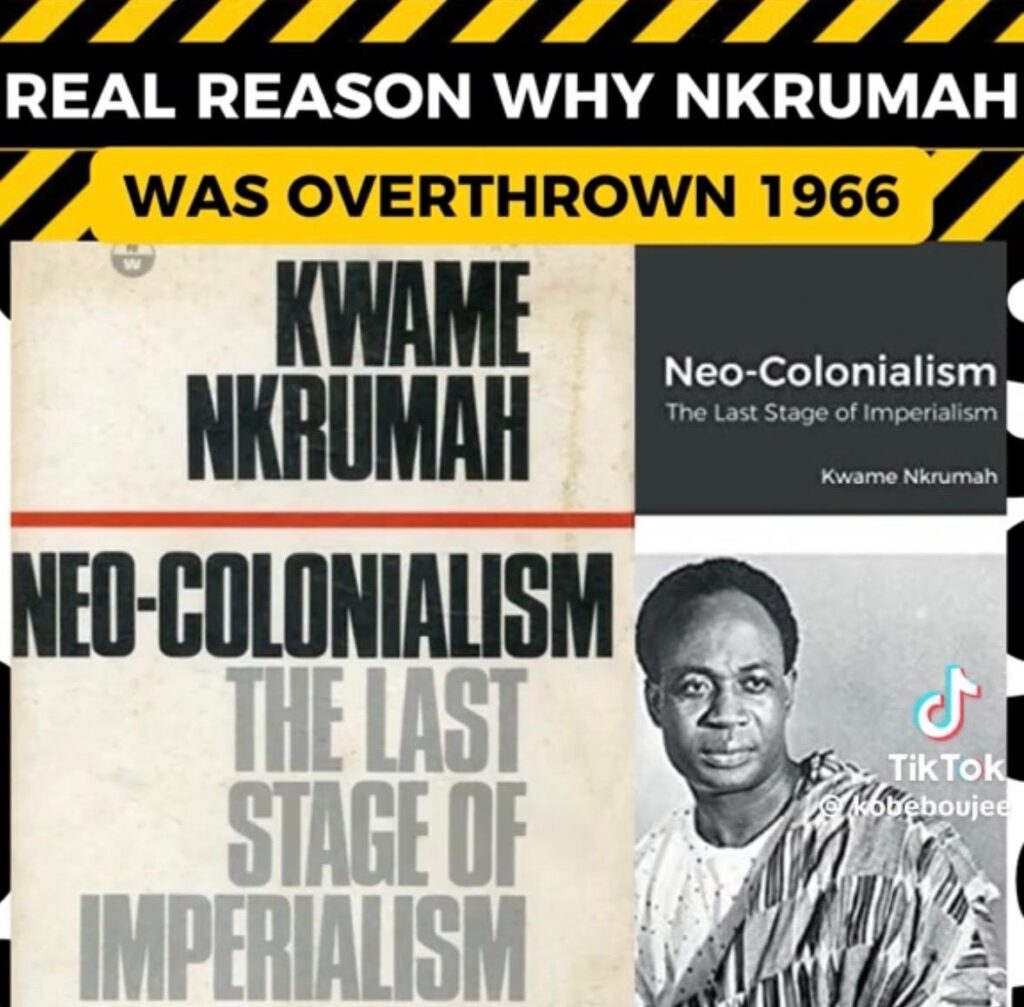
image credit to @kobeboujee
By naming names and providing detailed evidence, Nkrumah’s book was a direct challenge to powerful interests. He advocated for a new economic order where Africa could break free from the subtle strings of neo-colonial control. Yet, the impact was immediate Western leaders saw this as a threat. By daring to expose these mechanisms, Nkrumah set off a chain reaction. Though the book was banned in some places, it remains a landmark in post-colonial literature, showing how economic control can replace political rule.
Western Reaction: The US denied Ghana $35 million in aid; diplomatic pressure mounted.
The Western reaction to Nkrumah’s book was swift and decisive. Published in 1965, “Neo-Colonialism: The Last Stage of Imperialism” didn’t just ruffle feathers, it alarmed Western governments. The United States, in particular, responded by cutting promised aid to Ghana. A $35 million loan, previously planned, was abruptly denied after the book’s release. Diplomatically, the American embassy in Accra filed formal complaints, criticizing Nkrumah for antagonizing foreign partners.
Western media also amplified the narrative that Nkrumah’s leadership was veering into dangerous territory. In fact, some Western policymakers viewed his anti-neo-colonial stance as a direct threat to global economic interests. The denial of aid wasn’t just economic punishment; it was a signal to others in Africa: challenge the status quo, and you risk isolation.
This external pressure, combined with internal opposition, set the stage for the coup that would soon follow. Nkrumah’s book had not only exposed economic realities but also triggered a geopolitical backlash.
The Coup: In 1966, Nkrumah was overthrown—his ideas seen as too dangerous to powerful interests.
On February 24, 1966, while Kwame Nkrumah was on a peace mission abroad, his government was overthrown in a military coup. The National Liberation Council, backed by some of Nkrumah’s domestic opponents, seized power. Though internal dissatisfaction played a role, fueled by economic struggles and perceived authoritarianism, there’s substantial evidence that Western powers were supportive. Nkrumah’s challenge to neo-colonial control had made him a target.
The CIA’s own declassified documents later hinted at the agency’s interest in his removal. To his supporters, Nkrumah’s overthrow was a blow to Pan-Africanism. To his opponents, it was a chance to reset Ghana’s path. Regardless, the coup marked the end of an era. Nkrumah lived in exile in Guinea, still advocating for African unity, but his removal was a turning point.
The coup is a stark reminder of how both internal and external forces shaped the fate of post-colonial states. Understanding this coup helps us see how fragile independence was and how history echoes today.
I have attached a TikTok link as a reference giving a brief description to what transpired. https://vm.tiktok.com/ZNRP8cF2G
Why It Matters: Understanding this history helps us value African sovereignty.
This history matters today because it reveals how independence is more than a flag; it’s economic, cultural, and political. Nkrumah’s warnings about neo-colonialism still echo in debates about global trade and resource control. Many African nations still grapple with external economic dependencies. Knowing this history helps modern leaders and citizens recognize patterns of exploitation and advocate for true sovereignty.
Moreover, Nkrumah’s Pan-African vision remains a beacon, emphasizing unity in a continent often divided. By learning from how external pressures undermined leaders, today’s movements for economic independence, fair trade, and resource ownership find historical grounding. This past is a reminder that true autonomy requires vigilance. By understanding Nkrumah’s struggle, we can better address today’s global power structures and ensure that independence is not just symbolic, but lived.
Conclusion
This isn’t just history, it’s a conversation starter. Reflect on how economic independence still shapes nations today. Share this story, and discuss how we can build a future where sovereignty, political and economic is truly in our hands.” That should tie it up with purpose!