

Imagine being too poor to afford sunlight. For more than 150 years in Britain, thousands of families lived in dark, unhealthy homes not because they wanted to, but because the government taxed something as basic as light. The policy became known as the Window Tax, one of the most unusual and controversial taxes in British history.
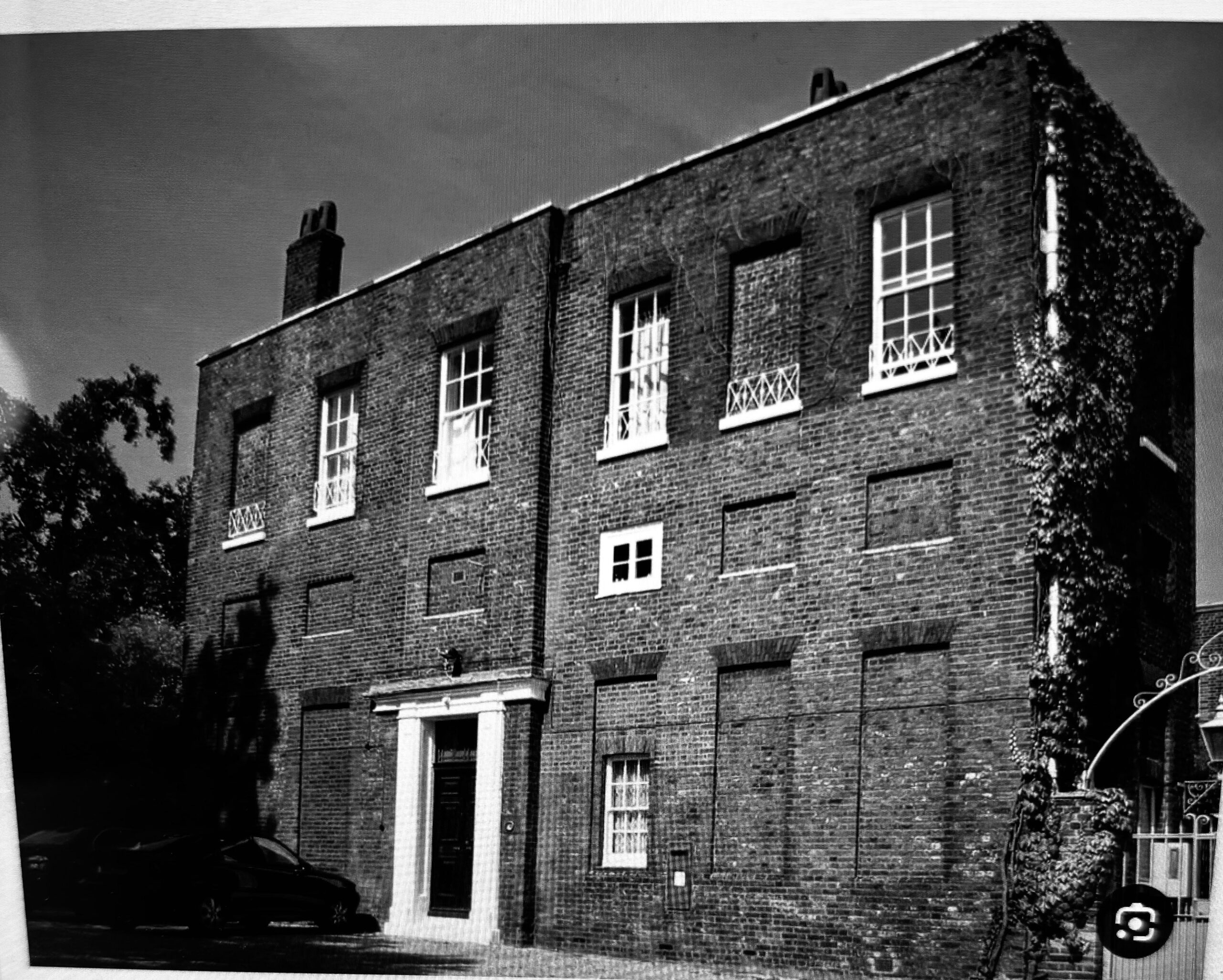
Introduced in the late 17th century, the tax forced many homeowners to block their own windows with bricks to avoid paying higher taxes. The result was darker homes, poorer ventilation, and worsening health conditions across the country.
Even today, if you walk through older British towns, you can still see sealed windows in historic buildings remnants of a time when sunlight effectively had a price.
Why the Window Tax Was Introduced
The Window Tax was introduced in 1696 during the reign of William III of England.
At the time, the government faced enormous financial pressure following expensive conflicts such as the Nine Years’ War. The treasury urgently needed new revenue.
Modern income tax had not yet been created, and assessing people’s personal wealth was difficult and intrusive. Government officials therefore searched for a simple and visible way to measure prosperity.
Their solution was surprisingly straightforward: count the number of windows in a house.
The reasoning was simple:
- Wealthier households generally had larger homes.
- Larger homes had more windows.
- Therefore, more windows meant more tax.
The system appeared fair on the surface and was often described as a “progressive” tax on property.
But the reality turned out very differently.
How the Window Tax Worked
The tax was calculated based on the number of windows in a building.
Houses with a small number of windows paid little or nothing, while homes with many windows faced significantly higher taxes. As the policy evolved over time, the thresholds and rates changed, but the principle remained the same: more windows meant higher tax bills.
Because the tax was easy for inspectors to verify from outside a property, it became an efficient way for the government to collect revenue without investigating people’s personal finances.
However, it also created a powerful incentive for homeowners to reduce the number of windows in their homes.
When People Started Bricking Up Their Windows
To avoid paying the extra tax, many homeowners took drastic action.
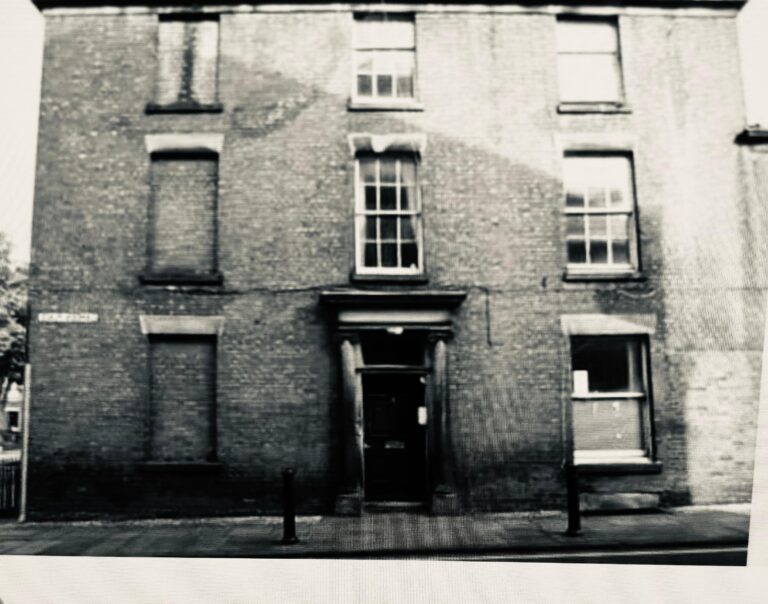
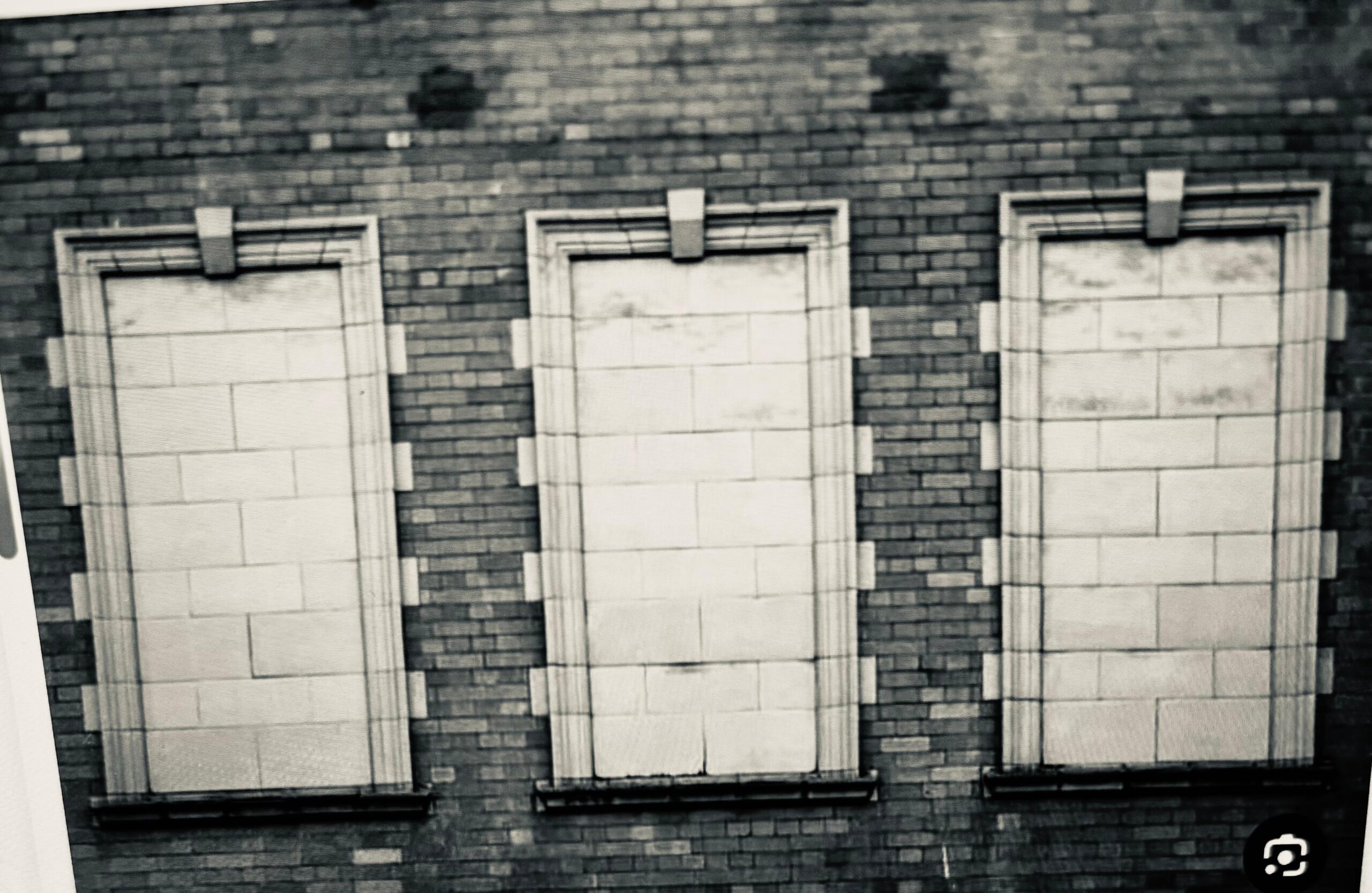
Across Britain, people literally sealed their windows with bricks.
Entire streets began to change appearance as windows disappeared behind layers of masonry. Buildings that were once designed to allow light and air into rooms became darker and more enclosed.
This practice was especially common in working-class neighborhoods, where families could not afford rising taxes.
What began as a financial policy quickly turned into an architectural transformation of British cities.
The Hidden Health Consequences
While the Window Tax succeeded in raising revenue, it created severe unintended consequences for public health.
By reducing the number of windows in homes, ventilation was drastically limited.
This led to several major problems:
1. Poor Air Circulation
Without adequate airflow, indoor air became stagnant and unhealthy.
2. Spread of Disease
Damp, poorly ventilated environments created ideal conditions for infectious diseases to spread more rapidly.
3. Mold and Damp
Moisture accumulated inside buildings, leading to mold growth and structural damage.
4. Childhood Health Problems
Children raised in dark, poorly ventilated homes often suffered from weakened health and developmental issues.
In an era before modern medicine and sanitation, these conditions significantly contributed to illness and higher mortality rates.
A Tax That Lasted for Generations
Despite its drawbacks, the Window Tax remained in place for more than 150 years.
For generations of British families, living with limited natural light became normal. Homes were designed, renovated, and adapted around the tax system.
Architects even began designing buildings with fewer windows to minimize future tax burdens.
The tax became so unpopular that critics eventually began referring to it as a “tax on light and air.”
The End of the Window Tax
After decades of criticism and growing awareness of its negative health effects, the British government finally abolished the Window Tax in 1851.
By then, the damage had already shaped urban architecture across the country.
The removal of the tax allowed homes to once again include more windows, improving living conditions and public health.
Evidence Still Visible in Britain Today
Today, the legacy of the Window Tax can still be seen across the United Kingdom.
In older towns and cities, many historic buildings still display bricked-up window frames visible reminders of the era when homeowners blocked their own sunlight to avoid higher taxes.
These architectural scars tell a story about how government policy can shape not only economies but also the very design of cities and homes.
Lessons from the Window Tax
The history of the Window Tax highlights several important lessons about taxation and public policy:
- Simple taxes can have complex consequences.
- Policies designed to be fair can create unexpected social problems.
- Economic incentives often change human behavior in surprising ways.
Most importantly, it demonstrates how a seemingly logical policy can unintentionally harm public health and living conditions.
For over a century, thousands of people lived in darker homes not because they lacked access to sunlight, but because the sunlight had been effectively taxed.